Quick poll: which app hijacks your thumbs before breakfast, WhatsApp, TikTok, or something totally new? Keep the answer handy, because we will revisit it at the end. This guide ranks the most popular social media platforms in 2026 by users, explains what makes each one tick, and shows which channel fits which marketing goal, with practical tips you can apply this week.
Social media in 2026: a snapshot
Social media is now a majority habit. According to DataReportal’s Digital 2026 report, about 5.66 billion social media user identities existed in October 2025, roughly 68.7% of the world’s population. That count includes duplicate accounts, so it overstates the number of unique people, but the direction is clear. Later 2026 estimates from industry trackers put the figure near 5.8 billion, with growth slowing.
The average online adult uses about 6.75 different platforms a month, and spends roughly 18 hours and 36 minutes per week on networks and video platforms combined (GWI data cited by DataReportal). Short-form vertical video dominates attention, while private messaging apps still host the largest raw audiences.
A note on the numbers: platforms measure users differently. Some publish monthly active users (MAU), others only advertising reach, and several have not updated figures for years. Meta, for example, stopped publishing per-app user counts after 2023 and now reports “Family daily active people”, which was 3.6 billion in June 2026 according to its Q2 2026 results. We label the type of figure wherever it matters, and you should treat any ranking as approximate.
Top platforms by monthly active users (2026)
The table combines the latest figures we could verify. Where a company reports MAU in its own filings (Snapchat, Pinterest), we use that. Where it does not, we use the most recent public company statement or a tracker estimate and say so.
| Rank | Platform | Users | Metric and source | Owner | Core format |
|---|---|---|---|---|---|
| 1 | 3B+ | MAU, Meta statement (last per-app update) | Meta | Feed, groups, Reels, Marketplace | |
| 2 | 3B+ | MAU, Meta statement, 2025 | Meta | Messaging and calls | |
| 3 | 3B | MAU, Meta statement, 2025 | Meta | Visual feed, Reels, Stories | |
| 4 | YouTube | 2.58B | Advertising reach, DataReportal | Long and short video | |
| 5 | TikTok | about 2B | Advertising reach (adults 18+), DataReportal | ByteDance | Short video, live shopping |
| 6 | 1.41B | MAU, Tencent, September 2025 | Tencent | Super-app | |
| 7 | Telegram | 1B | MAU, company statement, April 2026 | Telegram | Messaging and channels |
| 8 | Snapchat | 971M | MAU, Snap Q2 2026 results | Snap Inc. | AR lenses and chat |
| 9 | 640M | MAU, Pinterest Q2 2026 results | Pinterest, Inc. | Visual discovery | |
| 10 | X (Twitter) | about 557M | Advertising reach, DataReportal, Oct 2025 | X Corp / xAI | Micro-posts, Articles, Spaces |
LinkedIn is not in the table because it does not publish MAU. It reports more than a billion registered members, and its audience is smaller in active terms but unusually valuable for B2B. Facebook, Instagram, and WhatsApp are owned by the same company, so Meta controls three of the top four slots, and Facebook Messenger adds a further large audience.
Quick-scan cheat sheet: which platform is best for what
| Platform | Platform type | Typical strength | Best for |
|---|---|---|---|
| Social network, groups, Marketplace | Broad reach across age groups, strong communities | Local businesses, communities, Marketplace sellers | |
| Messaging and business calls | Private, high-trust conversations | Customer support, conversational commerce | |
| YouTube | Long video and Shorts | Search-like discovery, education | Tutorials, product demos, authority |
| Visual feed, Reels, Stories | Lifestyle and brand storytelling | Consumer brands, creators, local hospitality | |
| Super-app | Chat, payments, mini-programs in one | Entering the China market | |
| TikTok | Short video and live shopping | Fast trend discovery, younger audiences | Viral reach, product discovery |
| Snapchat | Messaging and AR | Younger audiences, AR experiences | AR try-ons, youth campaigns |
| X | Micro-blog, real-time news | Conversation around news and events | Thought leadership, news reactions |
| Visual discovery | Users plan purchases and projects | Home, fashion, weddings, e-commerce | |
| Professional network | Decision-makers and recruiting | B2B leads, hiring, employer brand |
Audience age mixes change from year to year and from country to country, so check the demographics in each platform’s own analytics before you commit budget. Averages for the whole world rarely match the audience of a Swiss or German local business.
Deep dive: what makes each platform tick
1. Facebook: the giant that will not quit
Facebook remains the largest digital town square, with more than three billion monthly users and about two billion daily users according to Meta’s 2026 statements. Groups, Marketplace, events, and Reels keep the platform central for local communities, which makes it particularly useful for businesses that serve a specific town or region.
For marketers, Facebook’s strength is breadth. It reaches older and middle-aged adults who are less present on newer apps, and its groups create long-term communities. Its weakness is organic reach: unpaid page posts reach only a small share of followers, so Facebook works best with a modest ad budget and a strong community strategy.
💡 Marketing tip: turn your best-performing short videos into Reels and share them in relevant groups you manage. Test one format for four weeks and compare reach and clicks against ordinary posts before you scale it.
2. WhatsApp: messaging meets commerce
What began as a simple chat app now supports catalogues, payments, business profiles, and customer support in the same thread. With more than three billion monthly users, WhatsApp is the dominant messaging platform in much of Europe, Latin America, and Asia, including Switzerland, Germany, and Kosovo.
Click-to-WhatsApp ads, where an advert on Facebook or Instagram opens a conversation instead of a landing page, let businesses move prospects into a private conversation quickly. Private conversation often means deeper trust, but it also creates an expectation of fast replies.
💡 Marketing tip: set a response-time goal, such as replying within one business hour, and use quick replies and a welcome message. Check Meta’s current rules for free service conversation windows before you plan costs, because the pricing model changes.
3. YouTube: the attention king
YouTube combines a long-form library with short-form discovery in Shorts. It is also the second-largest search engine in practice, so how-to and review videos can attract steady traffic for years. Google reports that Shorts now draw tens of billions of daily views, but long-form video still carries the strongest monetization through memberships, ads, and sponsorships.
💡 Marketing tip: publish a Short that teases each long video, and write titles and descriptions around the question people actually search. Video SEO is a compounding asset that most competitors neglect.
4. Instagram: visual culture evolves
Instagram is still the home of picture-first brand culture, but Reels, Stories, and Broadcast Channels now carry most of the discovery. Meta reported in 2025 that Instagram passed three billion monthly users, and in 2026 it described about two billion daily users. For consumer brands, restaurants, and creators, it remains the most important visual platform.
💡 Marketing tip: use a Broadcast Channel for product drops and announcements, and measure saves and shares rather than likes. Those signals tell you which content people want to keep or pass on.
5. WeChat: China’s super-app
Inside one app, Chinese users chat, pay, book rides, and shop in mini-stores without leaving WeChat. With about 1.4 billion combined monthly accounts, it is essential for any company that sells into China, and mostly irrelevant for businesses that do not.
💡 Marketing tip: if China is a target market, build a Mini Program rather than only an official account, and work with a local partner for registration, payments, and compliance.
6. TikTok: culture’s hot lab
TikTok sparks challenges, remixes songs, and introduces micro-communities faster than any other platform. It reaches about two billion adults in advertising terms, and its recommendation system can give a new account real reach without a large following, which is rare elsewhere.
💡 Marketing tip: work with micro-creators whose audience matches yours, and let them present your product in their own style. Authenticity outperforms polished ads on this platform.
7. Snapchat: the AR pioneer
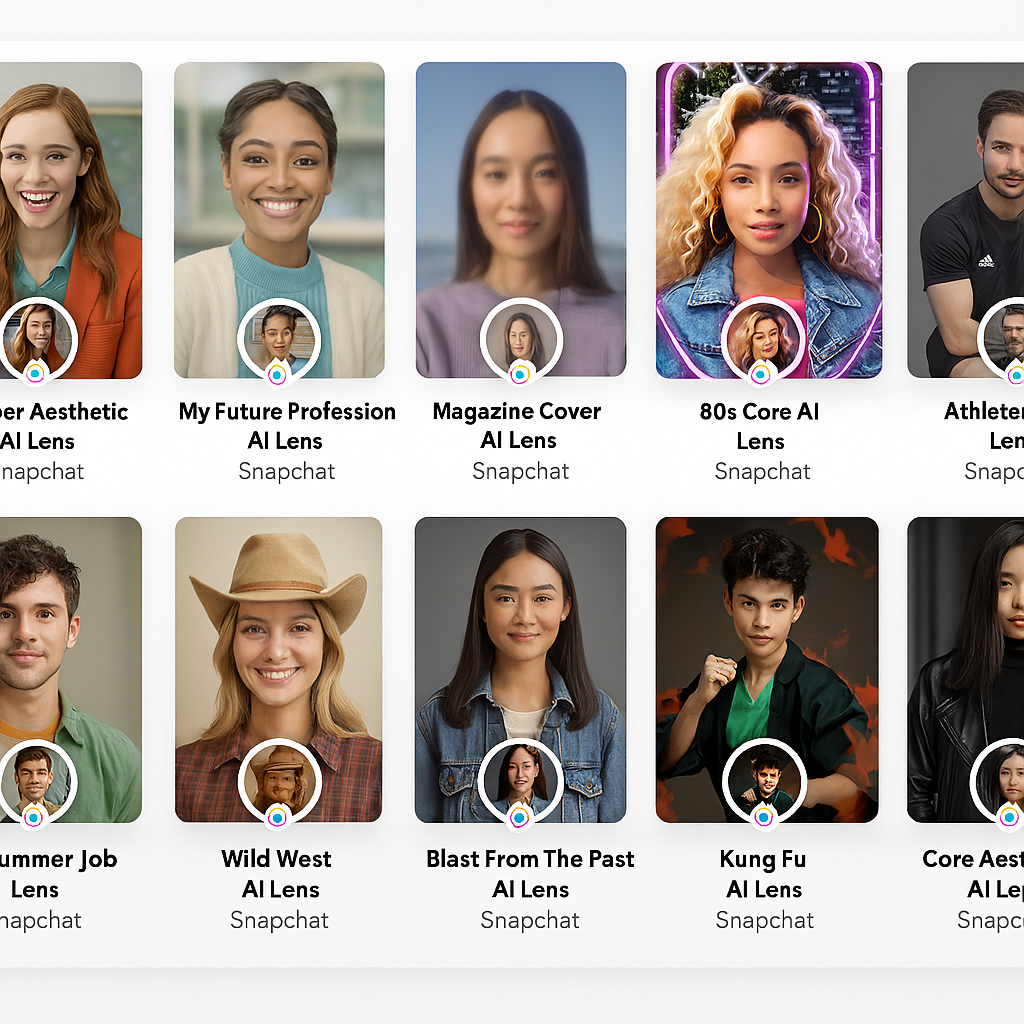
Snapchat reached 971 million monthly active users and 493 million daily active users in Q2 2026. Growth comes mainly from outside North America and Europe, where daily users declined slightly, so its value for a European brand depends on how young your target audience is. Its AR lenses remain a strong format for fashion, beauty, and entertainment.
💡 Marketing tip: test a sponsored AR lens only if your audience is under 35 and your product benefits from “try it on” visuals, such as eyewear, makeup, or fashion.
8. X (Twitter): from micro-blog to “everything app”
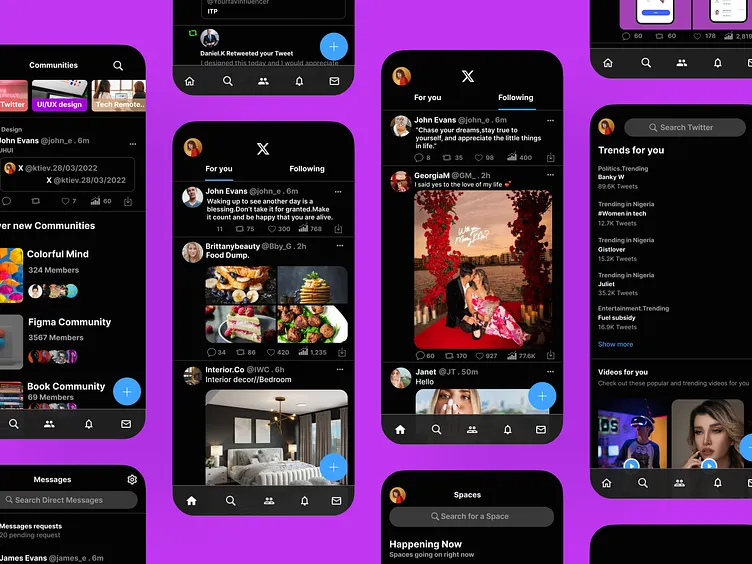
X remains the place where news and public conversation break first. Long-form Articles and live audio Spaces extend its format, but advertising reach is far smaller than Meta’s apps, and brand-safety concerns lead some advertisers to limit spend. It still works for journalists, founders, and anyone who benefits from real-time reaction to events.
💡 Marketing tip: pin one flagship post or Article, and reply thoughtfully in conversations where your expertise adds value. Replies reach new audiences more reliably than broadcasting.
9. Pinterest: the intent engine
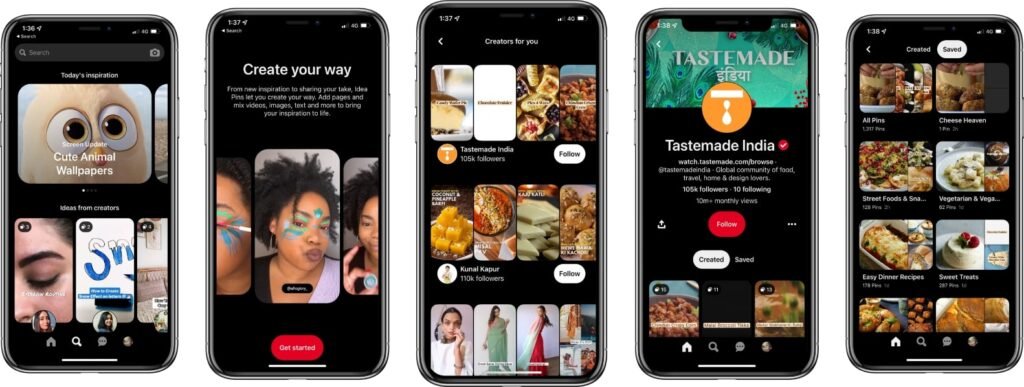
Users arrive at Pinterest with a plan: a nursery, a wedding palette, a wardrobe for the season. Pinterest reported 640 million monthly active users in Q2 2026, up 11% from the year before, with consistent double-digit growth. Pins also keep working for months, which makes the platform closer to a search engine than a feed.
💡 Marketing tip: create vertical Pins that link to a specific product or guide page, with keyword-rich titles and descriptions. Treat each Pin as a long-lived landing page.
10. LinkedIn: niche but necessary
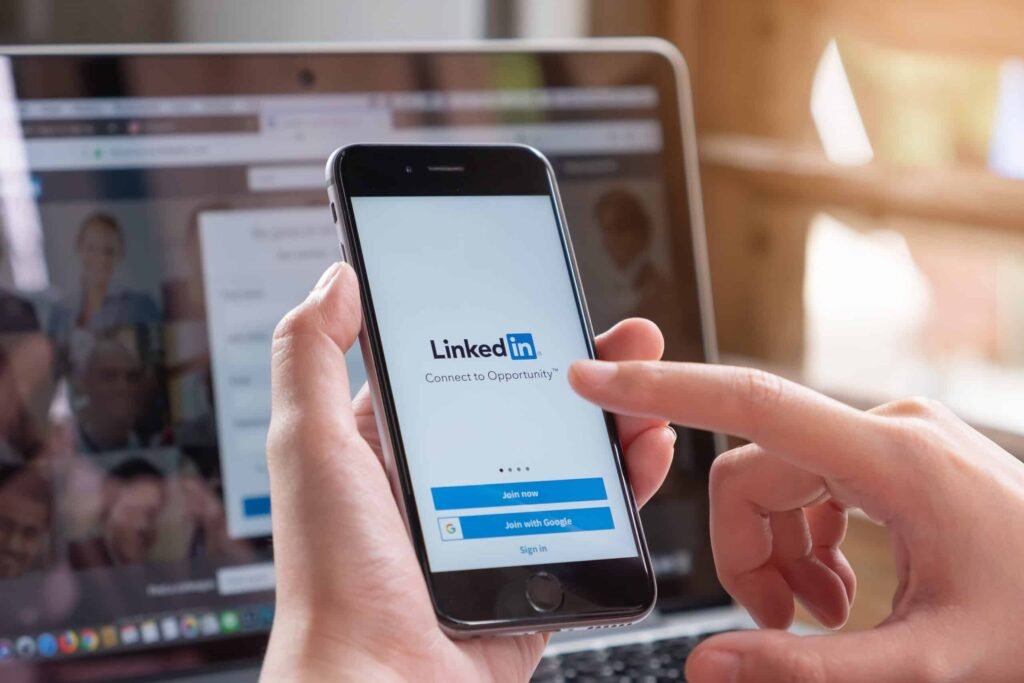
The professional graph is smaller in active terms than the mainstream networks, yet its feed is full of decision-makers who browse between meetings. For B2B services, software, and recruiting, LinkedIn often produces fewer but higher-value leads than any other channel.
💡 Marketing tip: post as a person, not only as a company page, and share specific, practical lessons from your work. Personal profiles consistently generate more reach for B2B brands than company pages.
Not sure which platforms deserve your budget? BeeDynamic reviews your audience, goals, and competitors, and recommends the channels that make sense for your business.
Book a Free Strategy Call →Engagement trends you cannot ignore
- Short-video supremacy: vertical video is the default format on TikTok, Instagram, YouTube Shorts, and Facebook Reels, and brands that do not produce it lose reach.
- Messaging beats feeds: more sharing now happens privately, through direct messages, Stories, and groups, than on public timelines. Your content has to be worth forwarding.
- Social commerce: in-app checkout, shoppable pins, and live shopping shorten the path from discovery to purchase on Instagram, TikTok, and Pinterest.
- Search inside social apps: many younger users search TikTok, Instagram, and YouTube before Google, so keywords in captions, titles, and on-screen text matter.
- AI-generated content and discovery: AI tools now help create content and also reshape how people discover brands, which raises the value of genuine, specific, and trustworthy posts.
- Platform fragmentation: the average person spends time on many apps, so repurposing one idea across several formats is more efficient than starting from scratch on each.
Reflection challenge: check your analytics. What share of your clicks comes from private shares and messages versus public feeds? Shift your calls to action accordingly.
Picking the right channel for your goals
| Goal | Best-fit platforms | Why |
|---|---|---|
| Mass awareness | Facebook, YouTube | Biggest reach and broad age range |
| Gen Z buzz | TikTok, Snapchat | Trend velocity and AR filters |
| High-intent shopping | Pinterest, Instagram | Visual search and in-app checkout |
| Customer support | WhatsApp, X, live chat on your site | Real-time conversational threads |
| B2B thought leadership | LinkedIn, YouTube | Professional context and depth |
| Local business | Facebook, Instagram, Google Business Profile | Community, reviews, and local discovery |
Start with one or two primary platforms, then repurpose assets: a podcast or webinar becomes Shorts, a LinkedIn carousel, and a blog post. Consistency on two channels beats occasional posting on six.
How to choose and run your social strategy in five steps
Define the goal and the audience
Decide whether you want awareness, leads, sales, or support, and describe the people you want to reach: age, country, language, and what they use. A clear goal determines which platform deserves attention first.
Pick one or two primary platforms
Choose the platforms where your audience already spends time and where your content format fits. Resist the urge to be everywhere in the first six months.
Build a repeatable content system
Plan three to five content pillars, batch-produce content weekly, and reuse each idea in several formats. A simple calendar is more valuable than a perfect one.
Connect social to your website and your sales process
Every post should lead somewhere: a landing page, a booking link, a WhatsApp chat, or a newsletter sign-up. Track those clicks with UTM parameters so you can see which platform produces leads.
Measure, learn, and adjust monthly
Review reach, engagement, clicks, and leads once a month. Double down on the formats that work, and drop what does not. Data does not decide strategy, but it removes guesswork.
Tools that help you turn social attention into customers
Some links in this section are affiliate links, so we may earn a commission at no extra cost to you.
Social platforms create attention, but the sale usually happens on your own website or in a private conversation. Two inexpensive tools help with those last steps.
Show proof from real customers outside social media
A visitor who arrives from an Instagram or TikTok post is often seeing your brand for the first time. They look for evidence that other customers are happy. A widget such as Trustindex displays your Google reviews on your landing pages automatically, so the proof does not depend on the algorithm of any one platform.
Add real customer reviews to the page your social posts link to. Trustindex displays your Google reviews on your website, and you can start with a free account.
Create a Free AccountAnswer visitors in real time, like a private chat
Users who prefer messaging on WhatsApp or Instagram DMs expect the same speed on your website. A chat widget lets visitors from social campaigns ask a question immediately, even outside office hours. Chatway has a free plan with one seat and 50 conversations a month, plus an optional AI agent at $0.50 per resolved conversation, with the first 10 AI conversations free. Prices checked in October 2026, so confirm on the vendor page. Chat collects personal data, so configure consent and your privacy notice before going live, which matters under the GDPR and the Swiss nDSG.
Want to test live chat on your site? Chatway has a free plan with no time limit, and paid features come with a 14-day trial.
Try Chatway FreeTip: proof beats reach. Before you pay to send more traffic from social platforms, check that the destination page shows reviews and offers a quick way to ask a question. A page with Trustindex reviews and a chat option converts the attention you already pay for. (Affiliate link)
Social media and search: how they work together
Social media and SEO are not rivals. Social posts rarely rank on their own, but they build the brand searches, mentions, and engagement that support organic visibility. In turn, strong search presence gives social campaigns a trusted place to send visitors. Businesses that run both, with consistent branding and a clear path from post to website, usually get more from each.
The same applies to AI search. Assistants such as ChatGPT and Gemini draw on multiple independent sources, including social profiles, reviews, and press mentions, when they describe a brand. A consistent presence across platforms therefore supports GEO and AI visibility. Learn more about our SEO services and how we connect them with social media.
Key takeaways
- Meta still owns three of the top four slots: Facebook, WhatsApp, and Instagram.
- Video-first approaches are now table stakes on every major platform.
- Private conversation builds deeper trust than public feeds, so make messaging easy.
- Smaller networks convert: LinkedIn’s modest audience often yields premium leads.
- Platform user numbers are not comparable one-to-one: check whether a figure is MAU or advertising reach.
- Data is not destiny: match the platform’s culture to your voice, then test, learn, and repeat.
Frequently asked questions: most popular social media platforms
What is the most popular social media platform in 2026?
By monthly active users, Facebook, WhatsApp, and Instagram each have around three billion users or more, according to Meta’s statements, with Facebook typically listed first. Depending on how you measure, YouTube can rank first too, because it reaches about 2.6 billion people in advertising terms and sits above social networks in time spent on video.
How many people use social media worldwide?
DataReportal counted 5.66 billion social media user identities in October 2025, about 68.7% of the global population. Later 2026 estimates are higher, near 5.8 billion, but these counts include duplicate accounts, so the number of unique people is lower.
Which social media platform is best for business?
It depends on your goal. Facebook and Instagram suit local and consumer businesses, LinkedIn suits B2B, YouTube suits education and search-driven discovery, Pinterest suits high-intent shopping, and WhatsApp suits customer support and conversational sales. Start with one or two platforms where your audience already is.
Which platform is growing fastest?
Pinterest reported 11% year-over-year MAU growth in Q2 2026, and Snapchat’s monthly users grew 4% in the same period, mostly outside North America and Europe. TikTok and Telegram have also reported large audiences, although TikTok figures are mostly advertising-reach estimates.
Is social media still worth it for small businesses?
Yes, if you focus. Two platforms, a consistent content system, and a clear path to your website or WhatsApp is enough for most small businesses. Pair social media with a strong Google Business Profile and visible reviews to turn attention into enquiries.
Why do different sources give different user numbers?
Platforms report different metrics: monthly active users, daily active users, registered accounts, or advertising reach. Some have stopped publishing per-app figures, and many third-party sites copy older numbers. Always check the metric, the date, and the original source before you use a figure.
How does social media affect SEO?
Social signals are not a direct ranking factor, but social activity builds brand awareness, branded searches, links, and mentions that support organic visibility. Good profiles also appear in search results for your brand name.
Your turn: revisit the poll
Back to the opening question: has the data changed your favorite app? Tell us in the comments or share this guide, and tag the network you least expected to use next. If you want help turning social attention into customers, our team builds integrated social, SEO, and Google Ads strategies for businesses across Switzerland, Germany, Austria, Kosovo, and Albania. Contact us for a free consultation.
Disclosure: links to Trustindex and Chatway are affiliate links, so we may earn a commission at no extra cost to you.
Need a digital boost?
BeeDynamic builds social media, SEO, and Google Ads strategies that turn attention into customers. Free consultation, no commitment required.
Book a Free Call → See SEO Services